The Essential Spices for Every American Kitchen
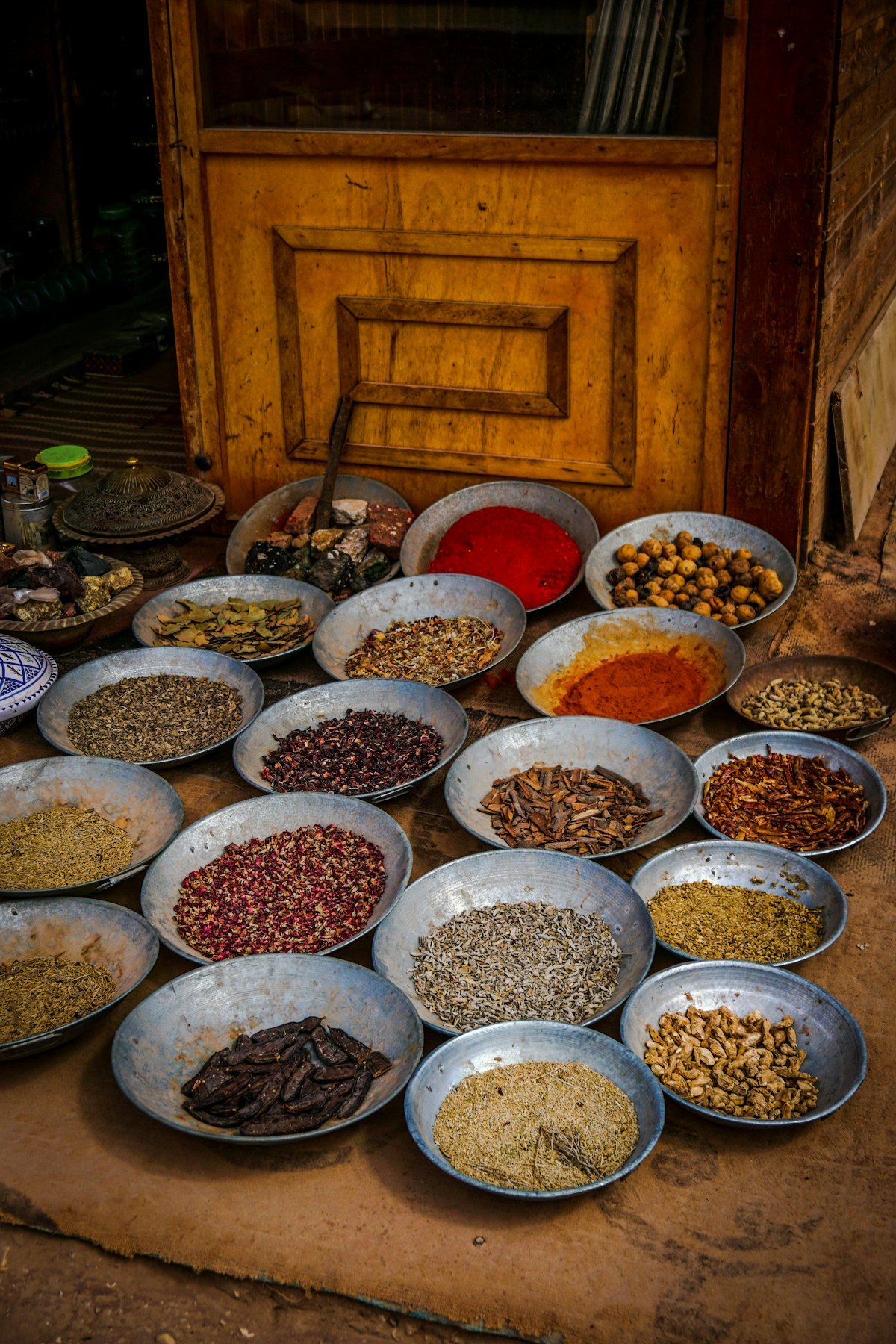
Walk into any well-stocked American home kitchen and you'll find a familiar lineup of spices behind the cabinet door. They're the building blocks of everything from a holiday turkey to a Tuesday night chili, and they make the difference between a bland dinner and one your family remembers. After developing hundreds of recipes, here are the essential spices every American kitchen should stock, why they matter, and how to use them.
1. Kosher Salt
Salt isn't a spice in the technical sense, but no spice rack is complete without it. We recommend Diamond Crystal kosher salt because its large, hollow flakes are forgiving, easy to pinch, and dissolve evenly. It's the foundation of every recipe we publish.
2. Black Pepper (Whole, in a Grinder)
Pre-ground pepper loses its volatile oils within weeks. A quality pepper mill loaded with whole Tellicherry or Malabar peppercorns gives you bright, citrusy heat that pre-ground simply can't match. This single upgrade improves every savory dish you cook.
3. Garlic Powder
Fresh garlic is irreplaceable, but garlic powder is the unsung hero of dry rubs, sheet pan seasonings, and quick weeknight marinades. It distributes evenly, won't burn, and adds depth without raw bite.
4. Onion Powder
The partner to garlic powder. Together they form the backbone of nearly every American spice blend, from Cajun seasoning to barbecue rubs to homemade ranch.
5. Smoked Paprika
If we could only add one spice to American kitchens overnight, this would be it. Spanish smoked paprika (pimentón) brings deep, smoky, almost meaty flavor to roasted vegetables, chicken, salmon, eggs, and even popcorn.
6. Sweet Paprika
The classic Hungarian variety adds gorgeous color and gentle warmth without smoke. It's essential for chicken paprikash, deviled eggs, and any recipe where you want red color without heat.
7. Ground Cumin
Earthy, warm, and slightly bitter, cumin is the heart of Tex-Mex, chili, taco seasoning, and southwestern roasted vegetables. Buy it in small quantities because it loses potency within six months.
8. Chili Powder
American chili powder is actually a blend (typically chiles, cumin, garlic, and oregano) and is what gives chili con carne its signature flavor. Don't confuse it with pure ground chile, which is much hotter.
9. Dried Oregano
Mediterranean oregano belongs on pizza, in marinara, and rubbed onto roast chicken. Mexican oregano (a different plant entirely) is brighter and citrusy, perfect for tacos and beans. Both deserve a place on your shelf.
10. Italian Seasoning
A pre-blended mix of basil, oregano, rosemary, thyme, and marjoram. It's a shortcut, but a good one for weeknight pastas, pizzas, and sheet pan dinners.
11. Cinnamon
Ground Saigon or Ceylon cinnamon is essential for everything from morning oatmeal to apple pie to a surprising savory pinch in chili. Buy whole sticks for mulled cider and stews.
12. Crushed Red Pepper Flakes
The finishing touch on pasta, pizza, garlic bread, and any dish that needs a kick of heat. A jar lasts forever and earns its real estate on the shelf.
Bonus: Bay Leaves, Thyme, and Rosemary
Whole dried bay leaves transform soups and braises. Dried thyme and rosemary are weeknight workhorses for roasted potatoes, chicken, and beef.
Storage Tips That Actually Matter
Spices don't go bad, but they go flat. Store them in a cool, dark cabinet (not above the stove), in tightly sealed jars, and replace ground spices every six to twelve months. Whole spices last two to three years. A quick sniff tells the truth: if it smells like nothing, it adds nothing.
Building Your Pantry on a Budget
You don't need to buy all twelve at once. Start with kosher salt, black pepper, garlic powder, smoked paprika, and cumin. With those five, you can season almost any American weeknight dinner with confidence. Add the rest over the next few months as recipes call for them. Within a season, your spice cabinet will be ready for everything from holiday roasts to Tuesday night tacos.